Design Art Mastery: Graphic Design, Art Design, Digital Art, Visual Effects, and Design Programming
Introduction
Visual communication shapes 90% of human interactions in digital spaces, yet most creators overlook the code that powers it. Designers once relied on paper sketches and print presses; today, they command algorithms and shaders to craft immersive experiences. This fusion of aesthetics and technology defines design art, spanning graphic design, art design, digital art, visual effects, and design programming. Professionals in this field produce everything from sleek brand identities to Hollywood-grade simulations.
Grasp these interconnected disciplines, and you unlock careers in advertising, film, gaming, and interactive media. Graphic design delivers static visuals with precision, while art design explores conceptual boundaries. Digital art thrives in pixels and vectors, visual effects bend reality through software, and design programming turns ideas into responsive systems. Readers seeking to enter or advance in these areas gain a roadmap here: core principles, tools, workflows, and real-world applications that separate amateurs from experts. Mastering this ecosystem equips you to create work that captivates and functions flawlessly across platforms.
Explore how tez888 channels these elements into cutting-edge projects, blending graphic design with design programming for dynamic outcomes. The article ahead breaks down each pillar, reveals overlaps, and provides actionable steps to build your portfolio. Whether you code shaders or compose layouts, these insights streamline your process and elevate output.
Foundations of Graphic Design
Core Principles and Elements
Graphic design rests on balance, contrast, emphasis, movement, pattern, rhythm, and unity. Designers apply these to logos, posters, and web interfaces. Color theory guides choices: complementary hues boost visibility, analogous schemes foster harmony. Typography pairs fonts for readability—serif for body text, sans-serif for headers.
Tools and Software Essentials
Adobe Illustrator handles vector graphics for scalable logos. Photoshop excels in raster editing for photo manipulation. Figma supports collaborative UI design with real-time feedback. Free alternatives like Inkscape and GIMP deliver professional results without subscriptions.
Historical Evolution
From Gutenberg's press in 1440 to the Macintosh's graphical interface in 1984, graphic design shifted from mechanical reproduction to digital precision. Bauhaus principles influenced modernism, prioritizing function over ornament.
- Key milestones: Swiss Grid System (1950s) standardized layouts.
- PostScript language (1980s) enabled desktop publishing.
- Responsive design emerged with mobile web (2010s).
Art Design: Conceptual and Expressive Dimensions
From Sketch to Concept
Art design prioritizes idea over execution. Artists brainstorm themes through mind maps and thumbnails, refining abstract notions into tangible forms. Mood boards compile references, ensuring coherence across a series.
Mediums and Techniques
Traditional media include oils and charcoal; contemporary approaches mix collage with projection mapping. Art design intersects with graphic design in editorial illustrations, where narrative drives composition.
Influence on Broader Design Art
Surrealism's dream logic inspires digital art distortions. Minimalism strips elements to essentials, echoing in app icons. These movements inform visual effects pipelines, where concept art sets the tone for CGI worlds.
Digital Art: Pixels, Vectors, and Beyond
Creation Workflows
Digital art starts with scanning sketches or direct canvas work in Procreate or Krita. Layers separate elements for non-destructive edits. Brushes mimic real media—airbrushes for gradients, stippling for texture.
Formats and Optimization
PNG preserves transparency for web graphics. SVG scales infinitely for icons. Compression balances quality and file size; JPEG suits photos, WebP outperforms for modern browsers.
- Resolution standards: 72 DPI for screen, 300 DPI for print.
- Color modes: RGB for digital, CMYK for offset printing.
Integration with Other Disciplines
Digital art feeds visual effects as texture maps. It supplies assets for design programming, like animated sprites in web apps. Graphic design adopts its techniques for high-fidelity mockups.
Visual Effects: Crafting Illusions
Key Techniques and Pipelines
Visual effects combine modeling, texturing, lighting, and compositing. Rotoscoping isolates subjects frame-by-frame. Particle systems simulate fire, smoke, and crowds. Nuke and After Effects merge live footage with CG elements.
Software and Hardware Demands
Blender offers open-source 3D modeling. Houdini specializes in procedural effects. GPUs accelerate rendering; NVIDIA CUDA cores process complex simulations in hours, not days.
Applications in Film and Media
Effects transform actors into superheroes via motion capture. Real-time engines like Unreal power virtual production. Examples include deepfakes for de-aging and volumetric clouds in sci-fi landscapes.
Design Programming: Code Meets Creativity
Fundamentals of Creative Coding
Design programming uses Processing or p5.js for interactive sketches. Variables control colors; loops generate patterns. Functions encapsulate reusable effects, like generative fractals.
Languages and Frameworks
JavaScript with Three.js builds 3D web experiences. GLSL shaders create visual effects in browsers. Python's Pillow library automates image processing for graphic design batches.
Building Interactive Projects
Start with a canvas element. Add mouse input for dynamic drawings. Export as WebGL for deployment. This bridges digital art with functional prototypes.
- Project ideas: Procedural landscapes, reactive audio visualizers.
- Optimization: Limit draw calls, use instancing for efficiency.
Intersections and Future Trends
Blending Disciplines for Innovation
Graphic design scripts automate layouts via design programming. Art design concepts fuel visual effects narratives. Digital art evolves through AI tools that suggest compositions.
Emerging Technologies
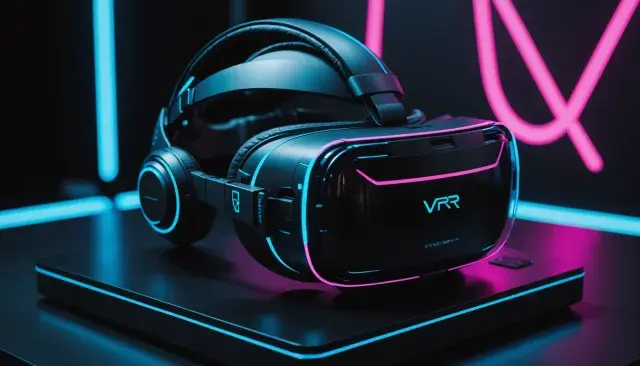
AR overlays graphic design on real worlds via Unity. VR demands spatial visual effects. Machine learning generates art design variations from prompts.
Career Pathways and Skills
Motion designers combine all fields. Freelancers thrive on platforms like Behance. Upskill in design programming to stand out; portfolios showcasing cross-discipline work attract clients.
What separates graphic design from art design?
Graphic design solves communication problems with client briefs, prioritizing clarity and brand alignment. Art design pursues personal expression, often abstract and open to interpretation. Both share composition skills, but graphic design measures success by audience response.
How does digital art differ from traditional art?
Digital art enables infinite undo, layers, and instant sharing, but lacks physical texture. Tools replicate brushes, yet output lives in files, not canvases. Hybrid workflows scan traditional pieces for digital enhancement.
What software is best for visual effects beginners?
Blender provides free, comprehensive tools for 3D modeling and compositing. Start with its tutorials on particle systems. Pair with DaVinci Resolve for free color grading and effects integration.
Can design programming replace graphic designers?
No, it augments them. Code generates variations, but human judgment refines aesthetics. Designers who code prototype faster, iterating designs in real-time.
How do I start a career in design art?
Build a portfolio with 10 strong pieces across graphic design, digital art, and experiments in design programming. Network on Dribbble and ArtStation. Take free courses on Khan Academy for fundamentals.
What role do visual effects play in advertising?
They create memorable spectacles, like product explosions or surreal scenarios. Budgets under $10,000 yield polished spots using stock footage and After Effects. Effectiveness shows in higher engagement rates.