Cyberpunk in Video Games: Exploring Technology, Virtual Reality, and Science Fiction Futures
Introduction
Neon-drenched streets pulse with holographic ads in Blade Runner, where corporate overlords wield neural implants to control minds. This vision from 1982's science fiction classic now shapes video games, blending cyberpunk aesthetics with advancing technology. Players jack into virtual reality worlds, blurring lines between flesh and code, as seen in titles like Cyberpunk 2077. Developers draw from cyberpunk roots—high-tech dystopias riddled with low-life struggles—to craft immersive futures. These games do more than entertain; they probe how virtual reality and emerging tech reshape society. Expect explorations of cyberpunk's origins in literature, its migration to interactive media, pivotal video games that define the genre, technological underpinnings driving realism, depictions of potential futures, and ties to broader science fiction. This article equips enthusiasts with a roadmap through cyberpunk video games, highlighting mechanics, narratives, and innovations that make these experiences unforgettable. From glitchy megacities to body-modded protagonists, discover how cyberpunk fuses technology with human frailty in virtual realms.
Origins of Cyberpunk in Science Fiction
Foundational Literary Works
William Gibson's Neuromancer (1984) coined cyberpunk tropes: hackers navigating cyberspace, megacorporations dominating society, and cybernetic enhancements altering identity. Bruce Sterling and others expanded this in the Movement, emphasizing gritty realism over space opera escapism. These novels established cyberpunk as science fiction's punk rebellion against utopian narratives.
Transition to Visual Media
Films like Blade Runner (1982) visualized cyberpunk's rainy, overcrowded futures, influencing game designers. Anime such as Ghost in the Shell introduced virtual reality ghosts haunting digital shells, themes echoed in later video games. This shift from page to screen primed interactive storytelling.
- Key influences: Gibson's matrix, Otomo's Akira bike chases.
- Visual motifs: chrome bodies, persistent rain, vertical slums.
Cultural Impact on Gaming
Cyberpunk entered video games via early text adventures like Neuromancer (1988), evolving into full 3D experiences. It provided a framework for player agency in dystopian worlds, distinct from fantasy RPGs.
Evolution of Cyberpunk in Video Games
Pioneering Titles
Shadowrun (1993) merged cyberpunk with fantasy, letting players deck into networks or summon spirits. Deus Ex (2000) offered branching narratives around conspiracies and augmentations, setting standards for choice-driven gameplay.
Mainstream Breakthroughs
Deus Ex: Human Revolution (2011) refined mechanics with stealth, hacking, and moral dilemmas over transhumanism. CD Projekt Red's Cyberpunk 2077 (2020) delivered open-world Night City, despite launch issues, capturing cyberpunk's chaotic energy.
Indie Innovations
Games like VA-11 Hall-A (2016) focus on bartending in a cyberpunk bar, emphasizing dialogue over action. Cloudpunk (2020) delivers atmospheric delivery runs through flying cars and AI companions.
- Common mechanics: hacking mini-games, cyberware upgrades, faction alliances.
Technological Foundations Driving Cyberpunk Realism
Graphics and Engine Advances
Ray tracing in modern engines renders neon reflections on wet pavement, mimicking cyberpunk visuals. Procedural generation populates sprawling cities, enhancing immersion in video games.
AI and Procedural Content
Dynamic NPC behaviors simulate living megacities; AI drives emergent stories, like gang wars sparked by player actions. This technology underpins cyberpunk's unpredictable futures.
Hardware Integration
Controllers with haptic feedback convey cyberware glitches. PC mods extend vanilla experiences with custom districts and tech trees.
Virtual Reality and Immersive Cyberpunk Experiences
VR-Specific Titles
Half-Life: Alyx
(2020) incorporates cyberpunk elements in alien-infested zones with hacking and gravity gloves, pushing VR boundaries. Superhot VR distills time manipulation into tense, cyberpunk-flavored shootouts.Mechanics Tailored for VR
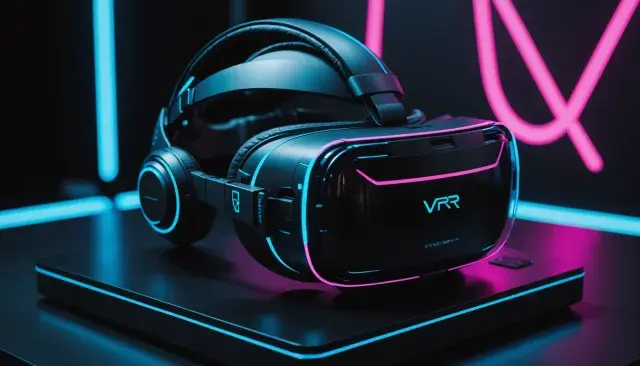
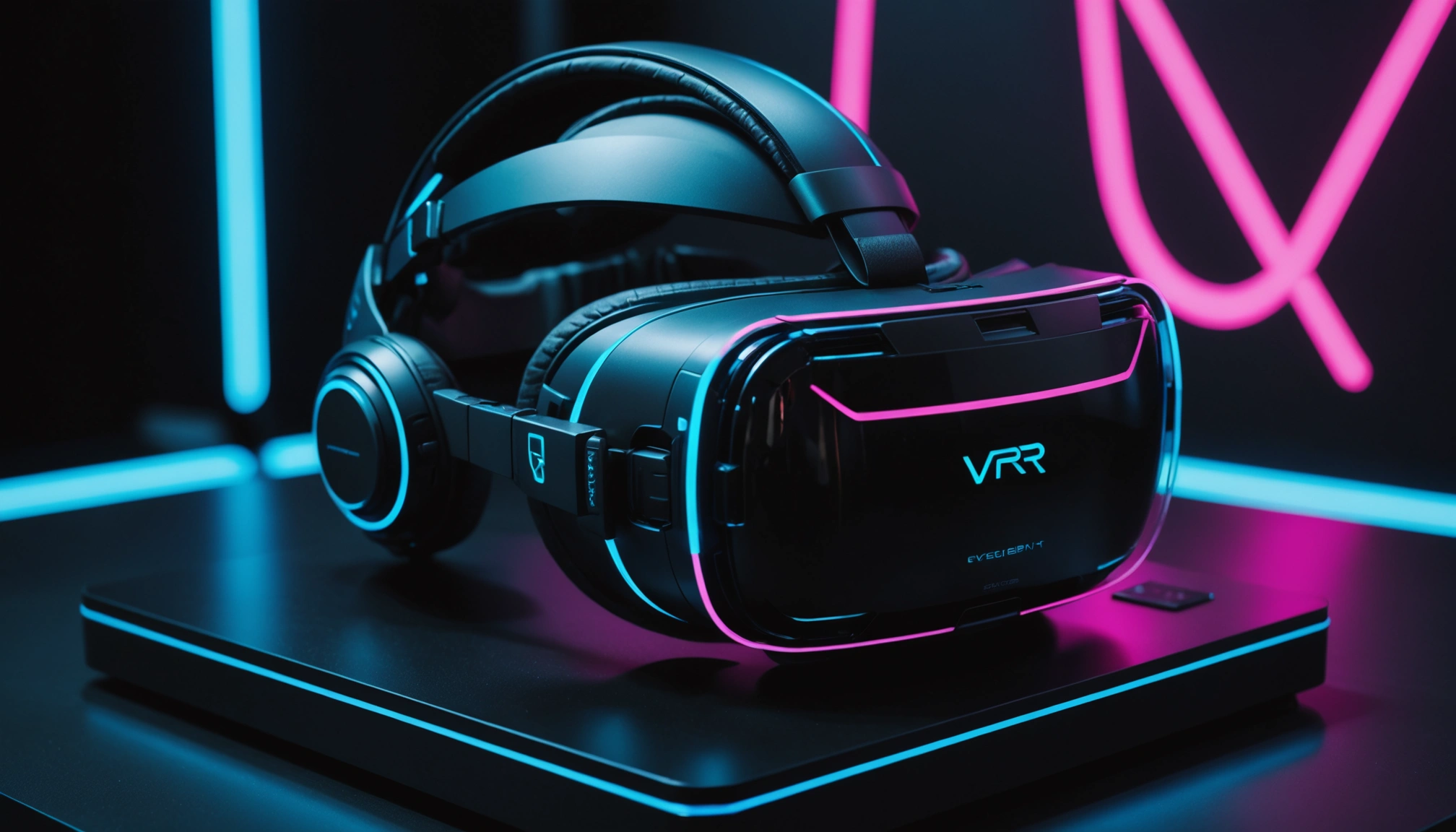
Hand-tracking enables intuitive console jacking; full-body avatars heighten body-horror augmentations. Motion sickness mitigation allows longer sessions in dense virtual realities.
- Challenges: Performance demands on standalone headsets.
- Opportunities: Social VR hubs as cyberpunk nightclubs.
Future VR Developments
Eye-tracking and foveated rendering promise denser worlds. Brain-computer interfaces loom, potentially realizing Gibson's jacking directly into science fiction futures.
Cyberpunk Visions of the Future
Societal Projections
Video games depict corporate feudalism, where tech giants control data streams. Inequality amplifies through exclusive cyberware, mirroring real wealth gaps in innovation access.
Technological Predictions
Ubiquitous AR overlays evolve into full virtual reality matrices. Biotech merges human and machine, raising questions on consciousness in uploaded minds.
Critical Perspectives
Cyberpunk warns of surveillance states enabled by pervasive technology. Yet it celebrates hacker resistance, suggesting paths to reclaim agency in dystopian futures.
Science Fiction Influences and Broader Context
Genre Crossovers
Cyberpunk borrows from noir for moody atmospheres and post-apocalypse for ruined techscapes. Steampunk contrasts provide retro-futurist foils in some video games.
Philosophical Underpinnings
Posthumanism questions self amid cybernetic changes. Existential dread permeates narratives of obsolescence in accelerating tech cycles.
- Recurring motifs: Identity theft via braindances, AI uprisings.
Legacy and Ongoing Relevance
Cyberpunk endures by anticipating real trends like neural networks and gig economies. It equips players to interrogate science fiction's warnings about our trajectory.
What defines cyberpunk video games beyond aesthetics?
Core elements include player-driven narratives, ethical hacking choices, and critiques of unchecked technology. Games emphasize systemic flaws over individual heroism, fostering replayability through branching outcomes.
Which cyberpunk game best captures virtual reality themes?
System Shock 2 (1999) pioneered immersive sims with VR-like station hacking and psychological horror. Modern ports enhance its prescience on digital isolation.
How has technology improved cyberpunk game worlds?
Unreal Engine 5 delivers photorealistic megacities with Nanite for infinite detail. This allows seamless exploration of verticality, a cyberpunk staple.
Are cyberpunk futures realistic predictions?
Elements like widespread cyberware lag behind, but surveillance and corporate power grow apace. Games extrapolate current trends into cautionary science fiction.
What role does science fiction play in cyberpunk video games?
It supplies lore for deep worldbuilding, from corpo wars to netrunner lore. This grounds mechanics in believable, if exaggerated, futures.
Can indie games rival AAA cyberpunk titles?
Titles like Citizen Sleeper excel in narrative depth and RPG elements, often surpassing AAA in focused storytelling without bloat.